

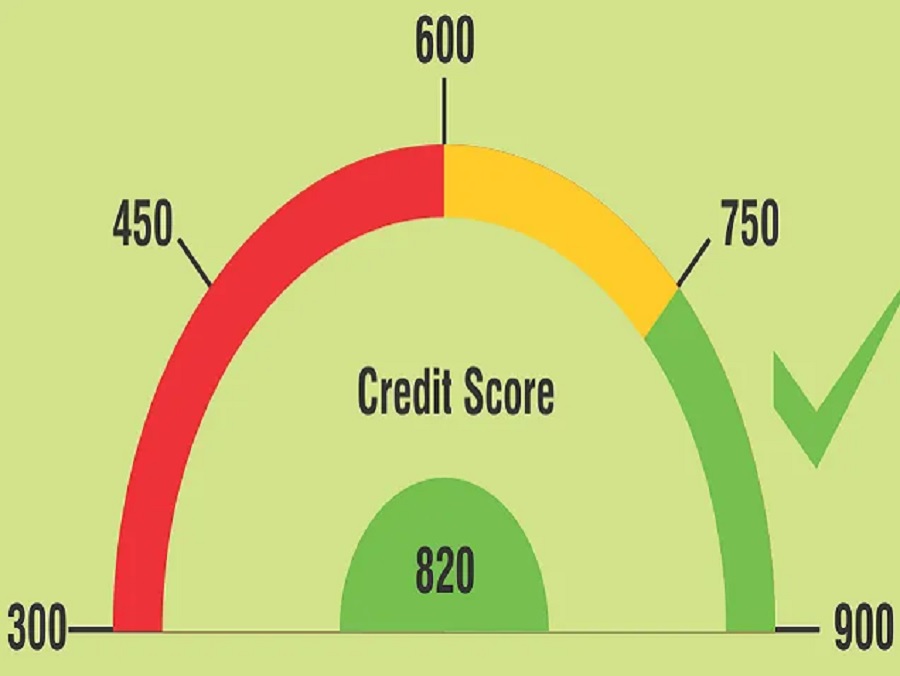
A good credit score is essential for securing loans, better interest rates, and financial stability. Credit cards, when used responsibly, can be an excellent tool to build and improve your credit score over time. An investment advisory service can provide tailored strategies to enhance your credit profile, ensuring financial growth. Additionally, monitoring financial trends like the 52 weeks high can help in understanding market conditions that may impact your credit and loan opportunities.
Key Strategies to Improve Your Credit Score
- Make Timely Payments
- Pay your credit card bill before the due date to avoid late fees and negative impacts on your credit score.
- Set up automatic payments or reminders to ensure you never miss a due date.
- Keep Your Credit Utilization Low
- Use less than 30% of your total credit limit to maintain a healthy credit score.
- Higher utilization can indicate financial strain and negatively impact your score.
- Maintain a Long Credit History
- Keep older credit cards active, as a longer credit history improves your score.
- Avoid closing old accounts unless necessary.
- Diversify Your Credit Mix
- Having a mix of credit types (credit cards, loans, etc.) positively impacts your score.
- Managing multiple credit lines responsibly showcases creditworthiness.
- Limit Hard Inquiries
- Frequent applications for new credit cards or loans can lower your score.
- Apply for new credit only when needed.
- Check Your Credit Report Regularly
- Review your credit report to ensure accuracy and dispute any errors.
- Regular monitoring helps identify fraudulent activities early.
How an Investment Advisory Can Help
A professional investment advisory service can guide you in managing your credit responsibly while aligning financial strategies with long-term goals. Experts analyze your financial health and provide actionable insights to improve and maintain a high credit score.
Conclusion
Using a credit card wisely is one of the most effective ways to improve your credit score. By making timely payments, maintaining a low credit utilization ratio, and monitoring your credit report, you can build a strong financial profile. With expert guidance from an investment advisory service and by staying informed on financial trends such as the 52 weeks high, you can optimize your financial decisions and achieve long-term financial success.
