

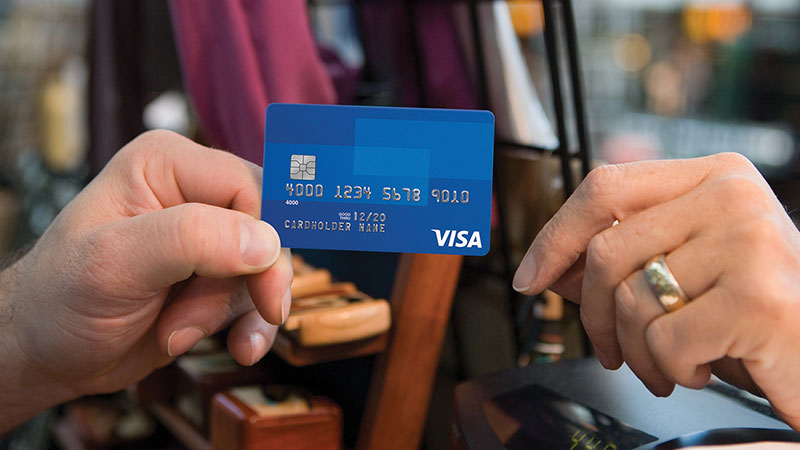
Securing your first credit card is a significant milestone in your financial life. It is more than just a convenient way to pay for goods; it is the primary tool for building the credit history that will eventually determine your ability to secure loans for major life purchases, such as a vehicle or a home. However, the sheer volume of options, coupled with the complex terminology of interest rates and rewards, can make the selection process feel daunting. Choosing your first card is not about finding the most prestigious or feature-heavy plastic in your wallet; it is about finding a tool that fosters responsible habits while helping you establish a solid credit foundation.
Understand the Two Main Categories
As a beginner, the most important distinction you will encounter is between secured and unsecured credit cards. Understanding this difference is essential for determining which path is available to you based on your current credit history.
-
Secured Credit Cards: These cards are designed for individuals with little to no credit history. To obtain one, you must provide a security deposit to the bank, which usually serves as your credit limit. Because the bank holds your deposit as collateral, they face minimal risk if you fail to make payments. This makes approval much easier for those who are just starting out.
-
Unsecured Credit Cards: These cards do not require a deposit. Instead, the bank grants you a credit limit based on your perceived creditworthiness, which is evaluated through your income, employment status, and credit score. While these cards are often the goal for most users due to their lack of collateral, they typically require an existing credit history or a robust income profile to obtain.
If you have never held a credit account before, a secured card is often your most reliable entry point. When used consistently and paid on time, it reports your activity to credit bureaus, allowing you to graduate to an unsecured card once you have demonstrated financial responsibility.
Prioritize Low Costs and Simplicity
When you are starting your credit journey, ignore cards that market flashy travel perks, high-end concierge services, or complex point-redemption schemes. These cards often come with high annual fees that can quickly outweigh the value of the rewards, especially for a beginner with limited spending.
Look for a card that offers no annual fee. This ensures that you can keep the account open for years without it costing you money, which helps increase the average age of your credit accounts—a key factor in your credit score. Furthermore, focus on cards with a straightforward rewards structure, such as simple flat-rate cashback. Complicated milestone-based programs or categories that require constant monitoring often lead to overspending or frustration. Your priority should be maintaining a balance of zero, not chasing complex rewards.
Assess Your Spending Habits and Needs
Before you settle on a card, look at how you naturally spend your money. Do you spend the majority of your budget on groceries, fuel, or monthly utility bills? Many entry-level cards offer bonus rewards in specific categories. While you should not let rewards dictate your spending, choosing a card that aligns with your existing habits can provide small, helpful rebates on things you were going to purchase anyway.
However, be cautious about cards that offer high introductory reward bonuses. These are often designed to entice new users into spending more than they can afford to pay back. If a card offers a large sign-up bonus, ensure that the spending requirement to achieve that bonus is within your normal, manageable budget. Never spend extra money just to earn a reward; the interest you might pay by carrying a balance will always be significantly higher than the value of any cash-back or travel point offer.
The Role of Credit Building Features
A truly effective first credit card serves as an educational tool. Look for issuers that prioritize transparency and provide robust credit-building features. This includes:
-
Credit Score Monitoring: Some banks provide free access to your credit score directly through their mobile application. This allows you to track your progress and understand how your on-time payments are impacting your overall health.
-
Automatic Payment Options: The most dangerous aspect of a credit card is the potential to miss a due date. Choose a provider that makes it effortless to set up autopay, ensuring that your balance is paid in full every month.
-
Clear Alerts and Notifications: You want a card that sends real-time notifications for transactions and payment reminders. These alerts act as a safeguard against fraud and ensure you are never surprised by an upcoming bill.
Avoiding Common Pitfalls
The journey to a high credit score is a marathon, not a sprint. Beginners often make the mistake of applying for multiple cards in a short period. Every time you formally apply for credit, it results in a hard inquiry on your report, which can temporarily lower your score. Research your options thoroughly before applying, and stick to one application at a time.
Additionally, pay close attention to your credit utilization ratio. This is the percentage of your total credit limit that you are using at any given time. Even if you plan to pay your bill in full, using too much of your available limit can negatively impact your score. As a rule of thumb, aim to keep your spending below 30 percent of your total limit. If you have a limit of one thousand dollars, try not to carry a balance exceeding three hundred dollars, regardless of how much you can afford to pay.
[http://googleusercontent.com/image_collection/image_retrieval/1831518173618451737_0]
The Path to Responsible Usage
Once you have your first card, the rules for success are simple but require immense discipline. Always treat your credit card like a debit card. If you do not have the cash in your bank account to cover a purchase right now, do not put it on the card. Paying your statement balance in full every single month is the only way to avoid the crushing interest rates that make credit cards dangerous.
If you ever find yourself unable to pay the full balance, reach out to your issuer immediately. Many banks are willing to work with customers who communicate early. By maintaining this level of diligence for the first year, you will likely see your credit score rise significantly, opening the door for better rates, higher limits, and more diverse financial products in the future.
Frequently Asked Questions
What happens if I miss a payment on my first credit card?
Missing a payment can lead to late fees and, more importantly, a negative mark on your credit report that can stay there for years. It is one of the most detrimental things you can do to your credit score. If you miss a payment, pay it immediately and contact your bank to see if they will waive the fee as a one-time courtesy.
Do I need a high income to be approved for a first credit card?
Not necessarily. Most student and beginner-specific cards have low income requirements. Banks are more interested in your ability to manage debt and your history of timely payments than they are in a massive salary. A steady, verifiable income, even if it is modest, is usually sufficient.
Is it better to have one or two credit cards as a beginner?
For your first year, stick to one card. Managing a single account allows you to focus entirely on building the habit of on-time payments and monitoring your utilization. Once you have a year of consistent, responsible usage, you can consider adding a second card if it provides a specific benefit you are missing.
How do I check if I am pre-approved for a card?
Many credit card issuers have a pre-approval or “see if you qualify” tool on their websites. This allows you to check your eligibility without a hard credit inquiry. It is a great way to gauge your chances of approval before officially submitting an application.
Why does my credit limit matter?
Your credit limit dictates your purchasing power and impacts your credit utilization ratio. A higher limit gives you more breathing room, making it easier to keep your utilization low. However, you should never view a high limit as an invitation to spend more; it is simply a safety margin for your financial management.
How long does it take to build a good credit score?
If you use your card responsibly—paying in full and on time every month—you can often see a measurable improvement in your credit score within six to twelve months. Building a “good” or “excellent” score is a long-term endeavor that requires years of consistent behavior.
Can my parents help me get my first credit card?
Yes, some parents choose to add their children as authorized users on an existing, well-managed account. This allows the child to benefit from the parent’s established credit history. However, ensure that the account you are added to has a perfect payment history, as any missed payments by the primary account holder will also reflect on your report.
