

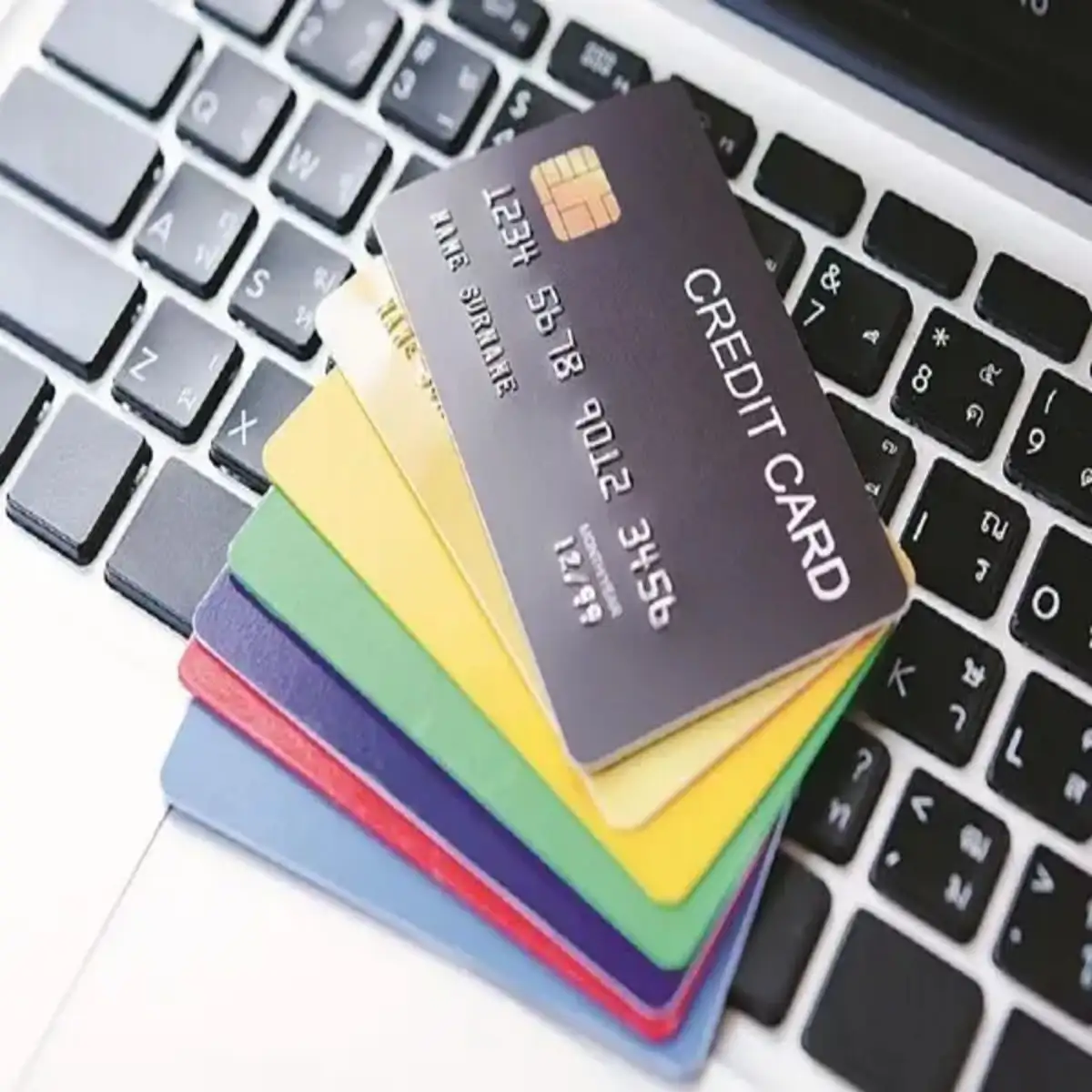
A credit score is more than just a number; it is a financial report card that lenders use to determine your reliability. For those starting from scratch, the prospect of building credit can feel like a paradox—you need credit to get credit, but you cannot get credit without a history. Fortunately, credit cards are one of the most effective tools to break this cycle. When used with discipline and a strategic mindset, they can help you establish a robust financial profile that opens doors to lower interest rates on loans, better insurance premiums, and greater overall financial flexibility.
Understanding the Foundation of Your Credit Score
Before you dive into applications, it is helpful to know what you are actually trying to build. Your credit score is calculated based on several key factors, each carrying a different weight. Understanding these components allows you to prioritize your actions:
-
Payment History (35%): This is the most critical factor. Every on-time payment you make serves as evidence of your reliability. Even a single missed payment can have a significant negative impact, so consistency is the cornerstone of a high score.
-
Credit Utilization (30%): This ratio measures the amount of credit you are using compared to your total available limit. Experts generally recommend keeping this below 30%—or even lower—to show that you are not overly dependent on borrowed money.
-
Length of Credit History (15%): The longer you hold an account in good standing, the better. This is why it is often advised not to close your oldest credit cards, as they anchor the age of your credit file.
-
Credit Mix (10%): Lenders like to see that you can manage various types of credit, such as a mix of revolving credit like cards and installment credit like auto or student loans.
-
New Credit Inquiries (10%): Every time you apply for a new card, a hard inquiry is placed on your report. Frequent applications in a short period can signal financial distress to lenders.
Getting Started: Options for Beginners
If you have zero credit history, you likely won’t qualify for top-tier rewards cards immediately. Instead, focus on these entry-level options designed specifically to help you build a file:
-
Secured Credit Cards: These are arguably the best entry point. You provide a cash deposit to the issuer, which typically acts as your credit limit. Because the bank has this collateral, they are far more willing to approve applicants with no credit history.
-
Student Credit Cards: If you are currently enrolled in higher education, student cards are tailored for your situation. They often have lower barrier-to-entry requirements and are designed to help students learn the basics of credit management.
-
Authorized User Status: You can ask a family member or trusted friend with excellent credit to add you as an authorized user on their account. Their positive payment history on that card may be reported to the bureaus in your name, helping you piggyback on their good standing.
Best Practices for Responsible Usage
Once you have your first card, the objective is not to spend, but to prove your reliability. Follow these fundamental habits to ensure your score moves in the right direction:
-
Prioritize Timely Payments: Set up automatic payments (autopay) for at least the minimum amount due. This ensures you never miss a deadline due to forgetfulness. Ideally, pay your full statement balance each month to avoid interest.
-
Manage Your Utilization Ratio: Treat your credit limit as a ceiling, not a target. If your limit is one thousand dollars, try to keep your balance below three hundred dollars. If you must make a large purchase, consider making a mid-cycle payment to bring your reported balance down before the statement closes.
-
Keep Your Old Accounts Open: Even after you “graduate” to better cards, keep your first account open if it has no annual fee. It continues to contribute to the length of your credit history.
-
Avoid Excessive Applications: Do not apply for multiple cards at once just to see where you get approved. Space out your applications and only pursue cards that fit your financial needs.
-
Monitor Your Reports: You are entitled to a free copy of your credit report from major bureaus annually. Reviewing these reports helps you spot inaccuracies or potential signs of identity theft early.
http://googleusercontent.com/image_collection/image_retrieval/13813968600788648325_0
Common Traps to Avoid
Building credit is a long-term game, but it can be derailed by common mistakes. The most dangerous trap is treating a credit card as an extension of your income. It is not “extra” money; it is a debt that must be repaid. Avoid maxing out your card, as this creates a high utilization ratio that hurts your score, even if you pay it off eventually. Additionally, avoid revolving debt—carrying a balance from one month to the next—as the high interest rates can quickly lead to a cycle of debt that becomes difficult to escape. Finally, beware of “credit builder” services that charge exorbitant fees; in most cases, a simple secured card is a more affordable and effective way to achieve the same result.
Frequently Asked Questions
How long does it take to see a change in my credit score?
You can typically see your score begin to take shape after three to six months of consistent account activity. Significant improvements to your credit profile, however, are a result of years of sustained, responsible behavior.
Does checking my own credit score hurt it?
No. Checking your own credit score or pulling your own credit report is considered a “soft inquiry” and has zero impact on your credit score. Only “hard inquiries,” which occur when a lender reviews your file during an application process, can affect your score.
Should I pay off my balance before the due date?
Yes, paying before the due date is perfectly fine and is a great way to ensure you never miss a payment. Some people prefer to pay immediately after a transaction clears to ensure their balance stays at zero, which keeps their utilization ratio extremely low.
What if I don’t use my card at all?
Using a card sparingly is better than not using it at all. A completely inactive card may eventually be closed by the issuer, which could harm your credit score. Try to put at least one small, recurring purchase—like a streaming subscription—on the card each month.
Can I get a credit card if I have no job?
Most lenders require some form of income to approve a credit card application. However, this doesn’t strictly have to be a full-time salary; it can include other sources of income, depending on your age and local regulations. Always check the specific requirements of the card issuer.
What is the difference between a credit score and a credit report?
Think of your credit report as a history book that details every credit account you have ever held, your payment habits, and any legal issues related to credit. Your credit score is a numerical summary derived from that report, acting as a quick grade for lenders to assess your risk level.
Will applying for a store credit card help my score?
Yes, store-branded cards are a form of revolving credit and will be reported to the credit bureaus. However, they often come with higher interest rates and limited usability, so use them with the same caution as a standard credit card.
