

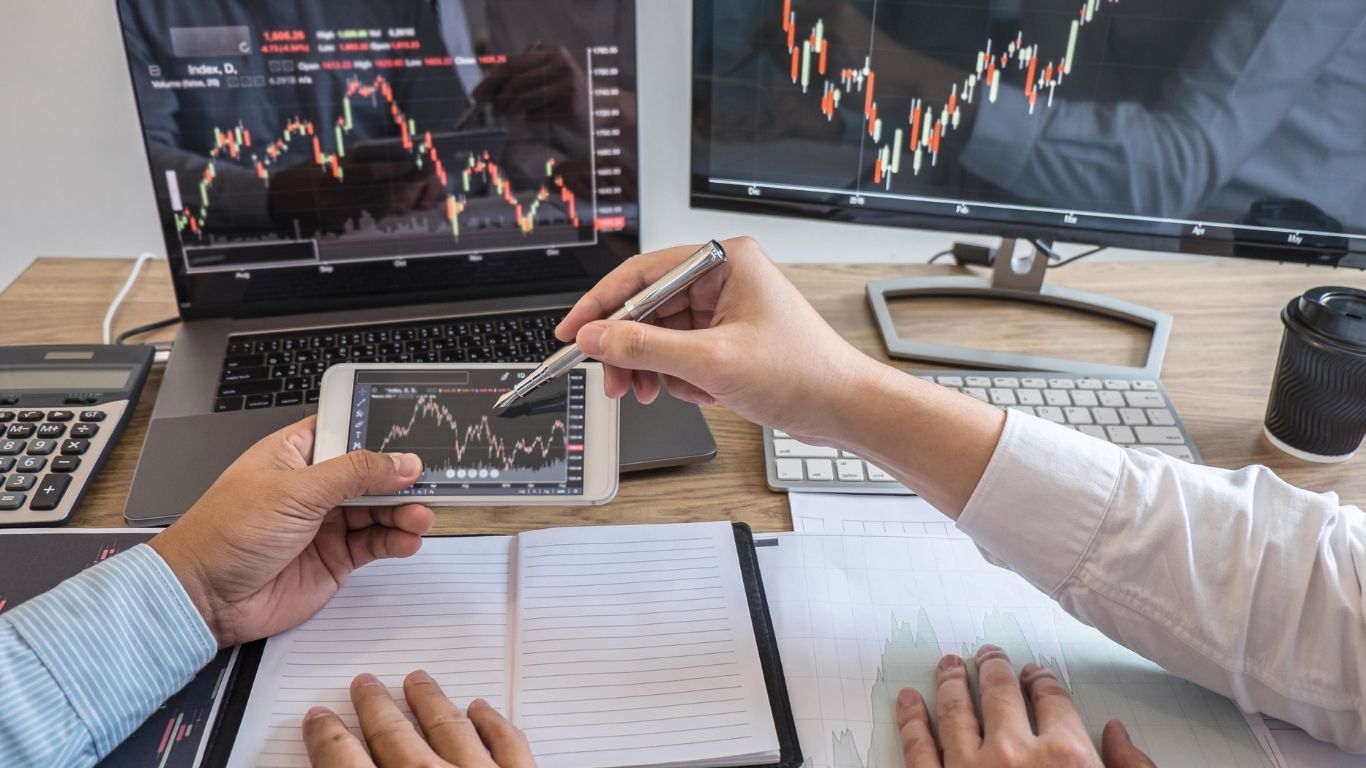
The foreign exchange market, more commonly known as the Forex or FX market, is the largest and most liquid financial market in the world. With daily trading volumes surpassing $6 trillion, it dwarfs other markets such as the stock or bond markets. Unlike traditional exchanges where trading takes place on centralized platforms, Forex operates 24 hours a day across various global time zones, allowing individuals, corporations, and governments to exchange currencies freely. But despite its massive size and significance, the Forex market remains an enigma to many. To truly understand its workings and the role it plays in the global economy, one must explore its history, its operations, the participants involved, and the strategies employed by traders.
What is the Forex Market?
At its most basic, the Forex market is a decentralized marketplace where currencies are traded against one another. Unlike the stock market, which involves the buying and selling of shares in companies, the Forex market focuses on the exchange of national currencies. The prices of these currencies fluctuate based on a variety of factors, including economic data, political events, market sentiment, and central bank policies.
For instance, when a trader exchanges US dollars for euros, they are participating in the Forex market. The value of the euro relative to the dollar (the EUR/USD exchange rate) will depend on how the two economies are performing and how global investors perceive their respective financial health.
The Evolution of the Forex Market
The modern Forex market, in its current form, evolved from the collapse of the Bretton Woods system in the early 1970s. Prior to this, global currencies were pegged to the US dollar, which in turn was linked to gold. This system was designed to provide stability, but by the late 1960s and early 1970s, the US faced significant economic challenges, including inflation and rising national debt, that led to the breakdown of this fixed exchange rate system.
In 1971, the United States moved away from the gold standard, and by 1973, major currencies like the British pound, the Japanese yen, and the euro (though not yet in existence) began to trade freely against one another. This shift to floating exchange rates laid the foundation for today’s Forex market, where currency values are determined by supply and demand in the open market.
Key Participants in the Forex Market
The Forex market is unique in that it operates on a global, decentralized scale, meaning there are no central exchanges where trades are conducted. Instead, Forex trading occurs through a network of banks, brokers, financial institutions, and individuals. These participants can be broadly categorized into the following groups:
-
Central Banks: Perhaps the most influential players in the Forex market, central banks are responsible for managing a country’s monetary policy. They control interest rates and intervene in the market to stabilize their domestic currencies when necessary. For example, the US Federal Reserve, the European Central Bank (ECB), and the Bank of Japan (BoJ) are pivotal in shaping global currency values. Central banks may also engage in currency interventions to either weaken or strengthen their currency to achieve specific economic goals.
-
Commercial Banks: Large commercial banks, such as JPMorgan Chase, Deutsche Bank, and Citigroup, are major players in the Forex market. They facilitate currency trading for corporate clients, investors, and other institutions. These banks also engage in proprietary trading, where they trade currencies for their own profit.
-
Hedge Funds and Asset Managers: Hedge funds and asset management firms often engage in large-scale currency trading as part of their investment strategies. These players typically have access to significant capital and employ sophisticated trading algorithms and strategies to take advantage of small fluctuations in exchange rates.
-
Retail Traders: With the advent of online trading platforms like MetaTrader and the availability of margin accounts, individual investors have become an increasingly prominent part of the Forex market. Retail traders can now access the market with relatively small amounts of capital, but they often trade with leverage, which allows them to control larger positions than they could with their own funds alone. While retail traders represent a smaller portion of the overall market, their activities can still influence short-term price movements.
-
Corporations: Multinational corporations engage in Forex trading to hedge against currency risks. When a company operates in multiple countries and deals in various currencies, it faces the risk that exchange rate fluctuations could impact its profitability. For example, if a US-based company imports goods from Japan, it may need to buy Japanese yen, and fluctuations in the yen-dollar exchange rate could affect the company’s costs.
How Forex Trading Works
Unlike stock markets, which close at the end of the trading day, the Forex market operates 24 hours a day, five days a week, across global financial centers like London, New York, Tokyo, and Sydney. This continuous trading cycle is one of the reasons the Forex market is so liquid. Traders can enter and exit positions at any time, reacting quickly to breaking news or unexpected events.
Currencies are traded in pairs, such as the EUR/USD or USD/JPY. The first currency in the pair is known as the “base currency,” while the second is the “quote currency.” The price of the pair represents how much of the quote currency is required to purchase one unit of the base currency. For example, if the EUR/USD pair is quoted at 1.20, it means that one euro is worth 1.20 US dollars.
In Forex trading, there are two main types of orders: market orders and limit orders. A market order is an order to buy or sell a currency at the current market price, while a limit order is an order to buy or sell a currency at a specified price or better. Traders may also use more complex strategies, such as stop-loss orders, to limit potential losses or take-profit orders to lock in gains when the price reaches a certain level.
Factors Influencing Forex Prices
A variety of factors influence the price movements in the Forex market, and understanding these factors is essential for traders:
-
Economic Indicators: Data such as GDP growth, employment rates, inflation, and trade balances have a direct impact on currency values. For instance, if a country’s GDP is growing at a healthy rate, its currency may appreciate as investors seek to benefit from the country’s economic strength.
-
Interest Rates: Central banks control interest rates, and changes in rates can have a significant impact on currency values. Higher interest rates tend to attract foreign capital, driving up demand for a country’s currency. Conversely, lower rates can lead to depreciation.
-
Political Events: Political instability, elections, or major policy shifts can lead to volatility in currency markets. For example, the Brexit referendum in 2016 caused massive swings in the value of the British pound.
-
Market Sentiment: The overall mood of the market—whether bullish or bearish—can influence currency prices. If traders are optimistic about a country’s economic outlook, they may bid up the value of its currency. Conversely, fear and uncertainty can lead to selling pressure.
Risks and Rewards of Forex Trading
Forex trading offers numerous opportunities for profit, but it also carries significant risks. One of the primary attractions of Forex is the ability to trade with leverage, which allows traders to control a larger position with a smaller initial investment. However, leverage can work both ways—magnifying potential gains but also increasing the risk of substantial losses.
Moreover, because the Forex market is highly liquid and operates around the clock, it is susceptible to sudden price swings, especially in response to geopolitical events or economic data releases. Traders need to be disciplined, utilizing risk management tools like stop-loss orders, to protect themselves from adverse market movements.
Conclusion
The Forex market is a vast and complex global ecosystem that underpins much of the world’s financial activities. With its immense liquidity, round-the-clock operations, and a wide array of participants, it provides unparalleled opportunities for those who are knowledgeable and skilled enough to navigate its challenges. Whether used for hedging currency risks, speculative trading, or conducting international business transactions, Forex is a critical component of the modern financial system. However, as with any investment market, success in Forex requires careful analysis, a strong grasp of market dynamics, and a disciplined approach to risk management.
