

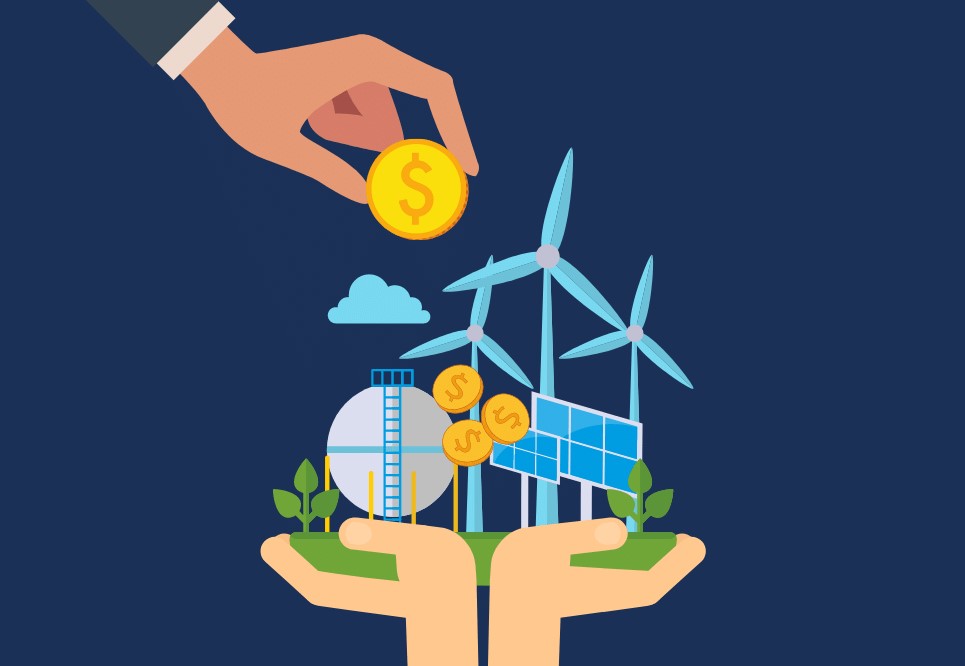
The global shift toward sustainable energy is reshaping industries, investment strategies, and long-term economic priorities. As governments, businesses, and consumers increasingly embrace cleaner energy solutions, investors are paying closer attention to the opportunities emerging from this transformation. Rather than being driven solely by environmental concerns, the move toward renewable energy reflects practical needs such as energy security, technological innovation, and the modernisation of ageing infrastructure.
For investors, this transition presents both exciting possibilities and important considerations. Understanding the factors driving sustainable energy growth can help build confidence when evaluating opportunities across different sectors. While no investment comes without risk, recognising long-term trends and focusing on informed decision-making allows individuals to participate in one of the most significant economic shifts of the modern era.
Why Sustainable Energy Is Becoming an Investment Priority
The demand for cleaner energy continues to grow as countries pursue lower carbon emissions and greater energy independence. Governments around the world have introduced policies encouraging renewable energy development, while businesses are investing heavily in technologies that improve efficiency and reduce environmental impact. These combined efforts are creating new markets and expanding existing ones.
Financial institutions and industry experts increasingly recognise sustainable energy as an important component of future economic growth. Organisations such as the International Energy Agency and major global financial institutions regularly highlight the role of renewable energy, electrification, and energy storage in supporting long-term development. This growing consensus has encouraged both institutional and individual investors to evaluate opportunities across the evolving energy landscape.
Sustainable energy investing extends beyond solar panels and wind farms. It includes companies involved in battery technology, electric vehicle infrastructure, smart power grids, semiconductor manufacturing, hydrogen development, and energy-efficient equipment. This diversity allows investors to build exposure across multiple industries instead of relying on a single technology or market segment.
Looking Beyond Traditional Energy Companies
Many investors initially associate sustainable energy with utility providers or renewable power producers. While these businesses remain important, the broader ecosystem includes companies developing the technology that enables clean energy systems to operate efficiently. Manufacturers of advanced components, software developers, and infrastructure providers all contribute to the sector’s continued expansion.
Technology plays a particularly important role in accelerating the transition. Improved energy storage, artificial intelligence for power management, advanced manufacturing, and more efficient computing systems all support renewable energy adoption. Businesses operating within these supporting industries may benefit as demand for cleaner energy solutions continues to grow across global markets.
For investors seeking broader exposure, researching companies that support renewable technologies can provide valuable diversification. Some market participants also monitor innovative businesses connected to digital infrastructure and computing, including those following developments related to Canaan Inc stock as part of a wider technology-focused investment strategy. The key is understanding how each company fits into larger industry trends rather than focusing only on short-term price movements.
Managing Risk While Investing for the Future
Although sustainable energy offers significant growth potential, every investment decision should include careful risk assessment. Technology evolves rapidly, regulations can change, and market conditions often influence company performance. Investors who recognise these factors are generally better prepared to navigate periods of uncertainty without losing sight of long-term objectives.
Diversification remains one of the most effective ways to manage investment risk. Rather than concentrating on a single company or industry, spreading investments across renewable energy producers, equipment manufacturers, technology firms, and related sectors may help reduce the impact of market volatility. Maintaining a balanced portfolio also creates flexibility as industries continue to evolve.
Conducting thorough research is equally important. Reviewing financial performance, competitive positioning, leadership quality, and long-term business strategies provides a stronger foundation for investment decisions. Many experienced investors prioritise companies with sustainable business models, consistent innovation, and the ability to adapt as markets develop over time.
Trends That Could Shape the Next Decade
Several long-term trends are expected to influence sustainable energy investments in the coming years. Battery technology continues to improve, making renewable energy storage more practical for both consumers and utility providers. Electric vehicles are increasing the demand for charging infrastructure, advanced semiconductors, and efficient power management systems.
Artificial intelligence and automation are also transforming the energy sector. Smart grids, predictive maintenance, and data-driven energy optimisation help improve efficiency while reducing operational costs. Companies providing these technologies may become increasingly valuable as governments and private organisations modernise energy infrastructure around the world.
Another important trend is the growing emphasis on responsible investing. Environmental, social, and governance considerations have become more prominent in portfolio management, encouraging investors to examine not only financial performance but also corporate sustainability practices. While investment strategies differ, this broader perspective continues to influence capital allocation across global financial markets.
Conclusion
The transition toward sustainable energy represents more than an environmental movement. It reflects a broad economic transformation driven by innovation, infrastructure development, and changing global priorities. Investors who understand these forces can better evaluate opportunities across a wide range of industries while maintaining realistic expectations about risk and long-term growth.
Building a thoughtful investment strategy involves balancing optimism with careful research, diversification, and patience. As sustainable energy continues to reshape the global economy, informed investors will be better equipped to identify opportunities that align with both their financial goals and the evolving future of energy.
